
Architectural Glass: Understanding Heat Insulation
How a Glass Wall Withstands the Scorching Desert Sun
From "Aesthetically Pleasing" to "Aesthetically Pleasing *and* Cool": Integrated Heat Insulation Solutions for Large-Area Glass
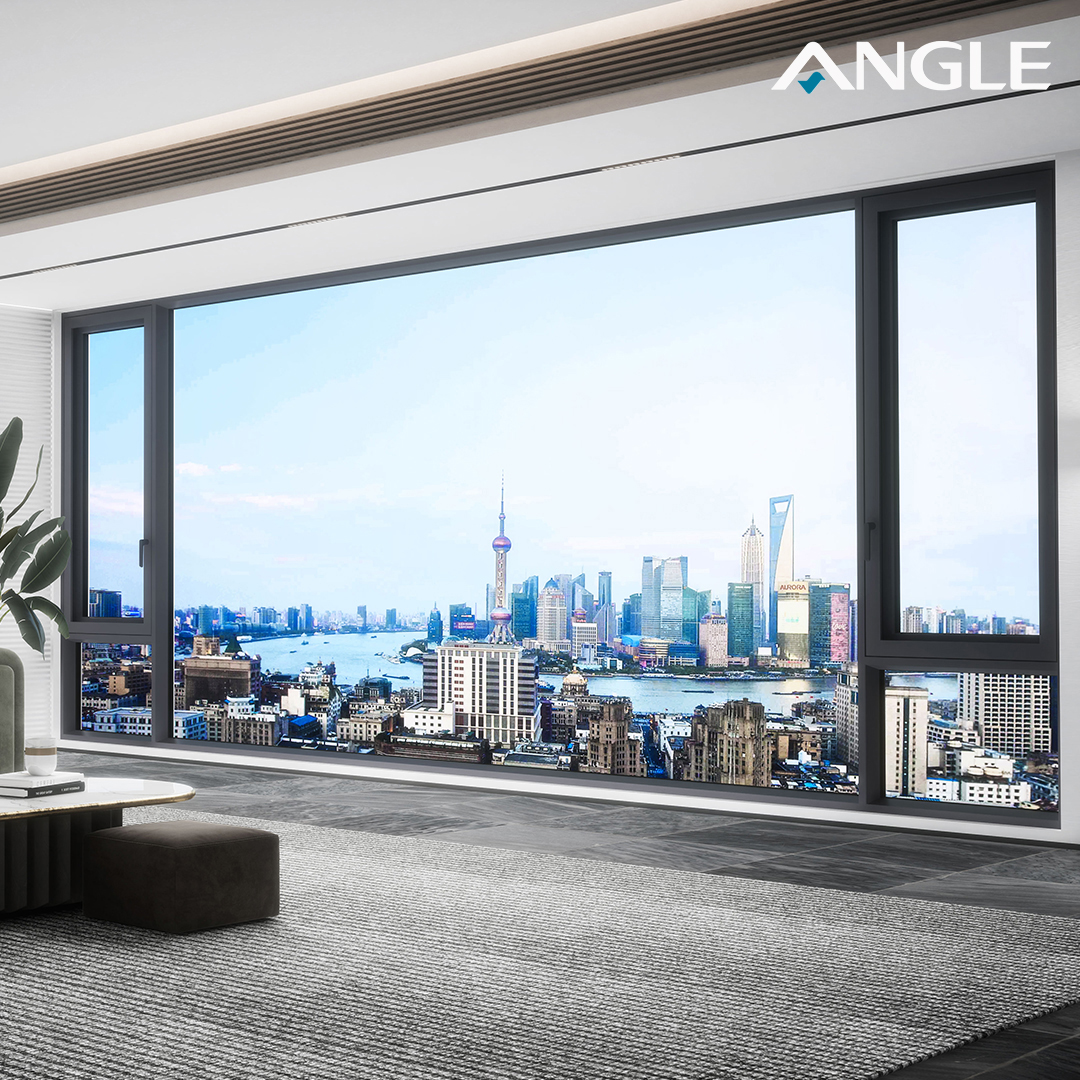
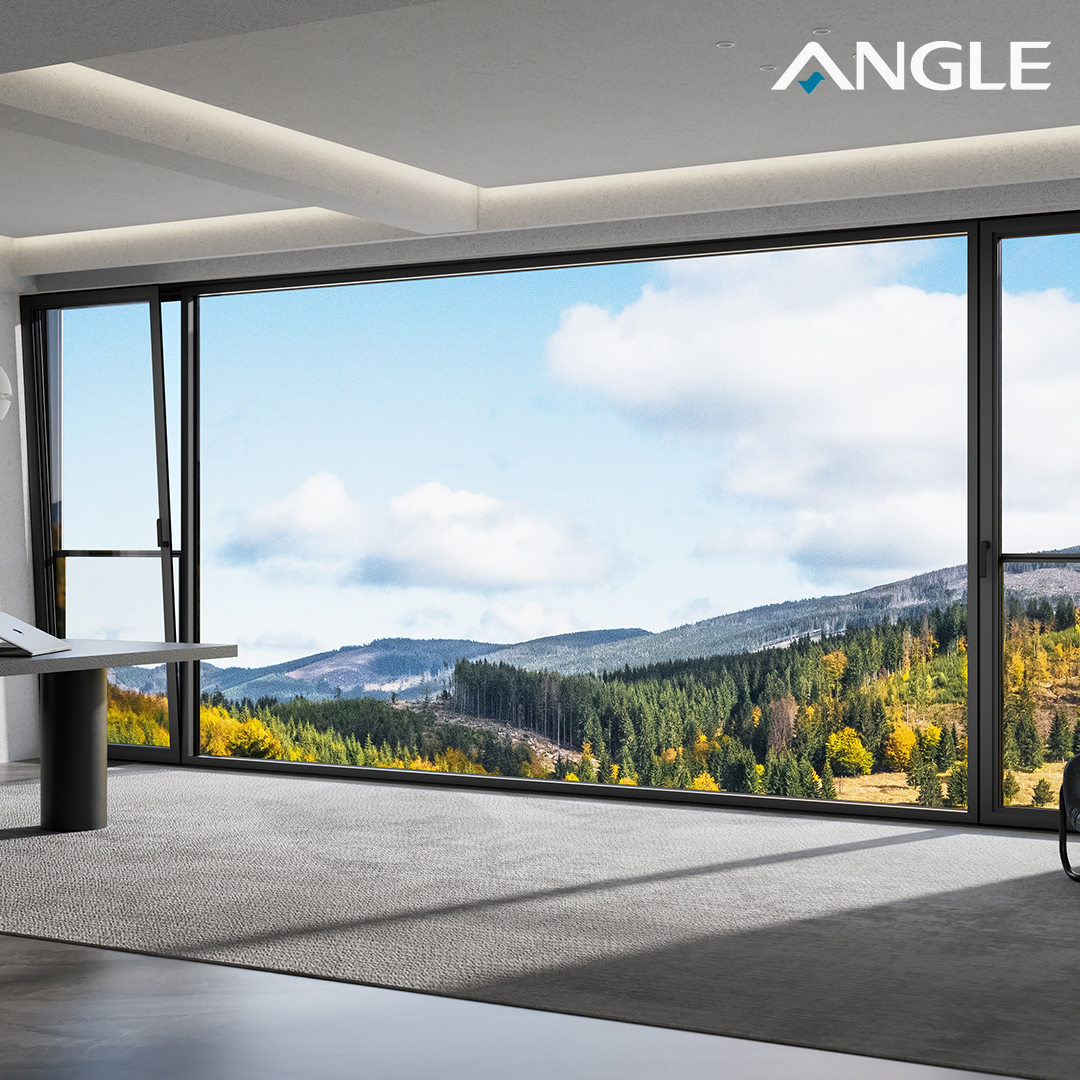
Modern villas and spacious luxury apartments increasingly favor floor-to-ceiling windows, wide sliding doors, and panoramic glass. A wall of transparent glass offering abundant natural light and expansive views represents a dream living environment for many. Yet, few realize that in high-temperature, intense-sunlight conditions, large glass surfaces act as the primary entry point for heat into a building. This is particularly true for west-facing facades, where the low-angle afternoon sun beats directly against the glass, causing the interior to feel like it is being roasted over a furnace. The core challenge is finding a way to make glass that is both visually appealing and thermally efficient.
How Does Heat Pass Through Glass?
Solar radiation reaching the glass consists of two components: visible light, which provides brightness and transparency; and invisible infrared thermal radiation, which is the primary culprit behind rising indoor temperatures. Standard glass offers little resistance to either visible light or infrared radiation; heat streams right through, is absorbed by walls, furniture, and floors, and is subsequently re-radiated—making it nearly impossible for air conditioning to keep the space cool.
Low-E (Low-Emissivity) glass takes a completely different approach: it features an ultra-thin coating of metal or metal oxide on the glass surface. Acting like a "thermal mirror," this coating reflects infrared radiation back outdoors while allowing visible light to pass through. The result is a space that remains bright and transparent, yet experiences a significant reduction in heat gain.
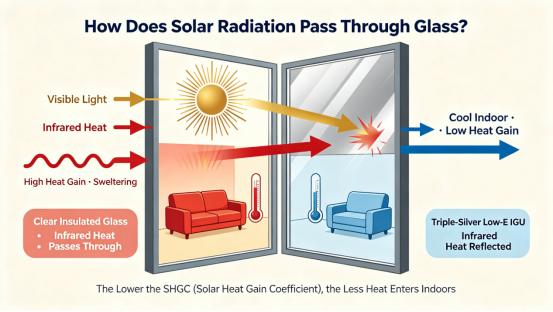
Figure 1 | Solar Heat Transfer Paths: Standard glass allows infrared radiation to enter the interior, whereas Low-E glass reflects it.
One Key Metric: SHGC
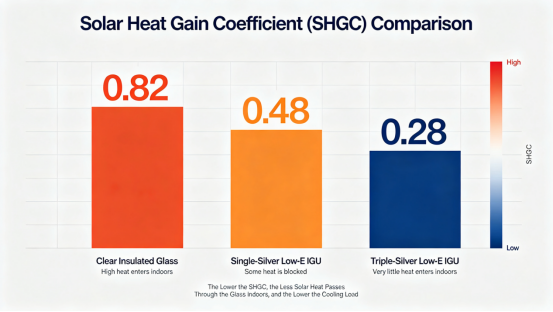
In the industry, the metric used to measure how much heat enters through glass is SHGC (Solar Heat Gain Coefficient). A lower value indicates that less solar heat is transmitted into the interior. Let’s compare three common configurations: standard insulating glass has an SHGC of approximately 0.82, meaning nearly 80% of solar heat penetrates directly; single-silver Low-E insulating glass reduces this to around 0.48; while triple-silver Low-E insulating glass—designed for regions with intense sunlight—can achieve an SHGC as low as 0.28.
The difference between 0.82 and 0.28 represents a nearly threefold difference in the amount of solar heat entering the interior. This is not merely a matter of "feeling slightly cooler"; it translates to fundamental differences in air conditioning loads, electricity bills, and the comfort levels of west-facing rooms.
Figure 2 | Comparison of Solar Heat Gain Coefficient (SHGC) across three glass configurations: lower values indicate superior thermal insulation performance.
In desert climates, outdoor temperatures often exceed 45°C on summer afternoons, with the surface temperature of west-facing glass rising even higher. The optimal solution is a system combining triple-silver Low-E insulating glass, an argon gas fill, and external shading louvers: the glass reflects the majority of infrared radiation, the inert gas in the insulating layer further minimizes heat transfer, and the external shading blocks sunlight before it even reaches the glass.
With this system, the interior remains cool despite the scorching desert sun outside—maintaining a temperature difference of over 12°C—while the panoramic floor-to-ceiling windows preserve an unobstructed view.
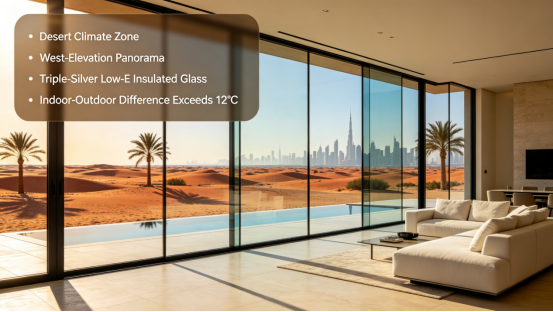
Figure 3 | Panoramic view of a west-facing façade in Dubai’s desert climate: Triple-silver Low-E insulating glass paired with external shading enables an indoor-outdoor temperature difference of over 12°C.
Selection logic: There is no "universal" glass configuration; the choice depends on the climate zone and orientation. Coastal regions prioritize thermal insulation and UV protection; west-facing façades in desert regions require triple-silver Low-E glass combined with external shading; and high-altitude regions with intense sunlight also require low-SHGC solutions. Automatically matching glass configurations to climate zones and orientations is the only way to achieve a design that is both aesthetically pleasing and thermally comfortable.
Aesthetics and thermal comfort need not be an "either-or" choice. A seamless panoramic glass feature is well worth having—provided you select the right invisible coating, the correct inert gas fill, and a well-matched shading system. Only when heat is systematically blocked from entering can a floor-to-ceiling glass wall truly enhance the quality of your living space.